

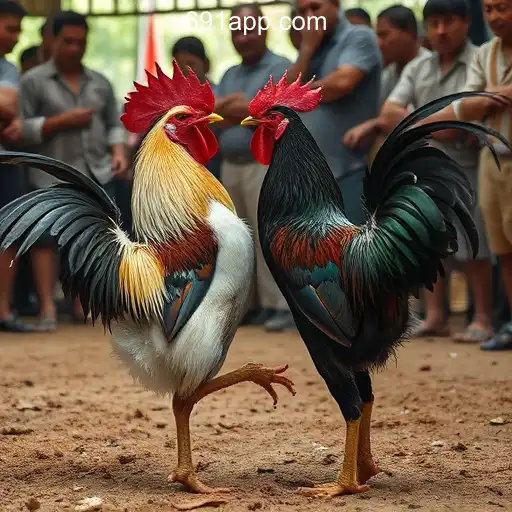
The Controversial World of Cockfighting
In various corners of the world, cockfighting is not just a sport, but a deeply ingrained cultural tradition that has sparked intense debate over its ethical implications. While it may be celebrated as an event that brings communities together, it is equally condemned for its cruelty towards animals. This article delves into the multifaceted world of cockfighting, examining its historical roots, cultural significance, and the controversies that surround it.
Historical Roots of Cockfighting
The practice of cockfighting can be traced back over 6,000 years, with origins in regions like Southeast Asia and ancient Persia. Historically, cocks, or roosters, were bred for their combat prowess, sharpening their spurs for competitive fights. Over time, this practice spread to other parts of the world, gaining popularity in countries like England, Mexico, the Philippines, and Thailand.
In many cultures, cockfighting was not merely a form of entertainment but a ceremonial activity. It was linked to religious rituals and was seen as a means to appease deities or settle disputes between rival groups. Warriors in ancient times were known to bet on cockfights as a display of strategy and bravery, embedding the practice within the social and cultural fabric of society.
Cultural Significance and Rituals
For many communities where cockfighting is practiced, it holds significant cultural value. It is viewed as a communal event that fosters social cohesion and a sense of identity. For instance, in the Philippines, cockfighting, or "sabong," is considered a national sport with deep historical roots dating back to pre-colonial times. Large gatherings at arenas, known as "cockpits," are a common sight, often coinciding with local festivals and celebrations.
The event is accompanied by rituals, including blessings for the birds and superstitious practices believed to bring victory. The roosters themselves are often seen as symbols of masculinity and courage, and their performance is a reflection of the owner’s honor and prestige.
The Mechanics of the Fight
In a typical cockfight, two roosters are placed in a ring to battle each other. The preparation is meticulous; roosters are trained rigorously and may be given vitamins and special diets to enhance their fighting abilities. Some cultures also sharpen the roosters' spurs or attach small blades known as "gaffs" to increase lethality.
The fight begins when the birds are released into the pit. It is a brutal spectacle, where the roosters peck and spur each other until one is too injured to continue. Bets are placed, cheers ring out, and the air is thick with tension as spectators rally behind their chosen bird.
Controversy and Ethical Debates
Despite its cultural appeal, cockfighting is fraught with controversy, primarily due to concerns over animal cruelty. Animal rights organizations vehemently oppose the practice, arguing that it subjects birds to unnecessary pain and suffering. In many countries, cockfighting is illegal, branded as a form of animal abuse. Laws vary widely, with some places imposing strict penalties on those caught organizing or attending such events.
Proponents, however, argue that cockfighting is a traditional practice that deserves protection as part of cultural heritage. They contend that it provides economic benefits, supporting livelihoods through breeding farms, related industries, and tourism. In regions where cockfighting is legal, it is regulated with guidelines to ensure the welfare of the animals, although this is a contentious point among critics.
The Role of Online Platforms
The advent of the internet has enabled the proliferation of cockfighting through online platforms such as the 69-1.com platform-online cassino Brasil #1. These platforms allow enthusiasts to engage in betting and view live streams of matches from the comfort of their homes. This digital expansion raises new ethical considerations, as it circumvents legal restrictions in jurisdictions where cockfighting is banned.
Operators of such platforms argue that they are catering to demand while using technology to enhance the experience. They claim to provide a safe and regulated environment for betting, mirroring the experience of traditional cockfight arenas. However, critics argue that this digital shift further normalizes violence against animals and makes it more challenging to enforce legal measures against illegal cockfighting activities.
Conclusion
Cockfighting remains a contentious issue, sitting at the intersection of cultural tradition and modern ethical standards. As societies evolve, the challenge lies in balancing the preservation of cultural heritage with the protection of animal rights. The debate around cockfighting continues to evoke strong emotions, prompting ongoing discussions about morality, legality, and cultural preservation.